How to Pick the Right Dog Crate Size: A Guide by Weight, Breed, and Use
Choosing the right dog crate size is essential for your dog's comfort, safety, and well-being. A properly sized crate provides a secure den-like space where your dog can rest, relax, and feel safe. Whether you're crate training a puppy or finding a travel crate for your adult dog, getting the dimensions right ensures a positive experience for both you and your furry friend.
As an Amazon Associate I earn from qualifying purchases.
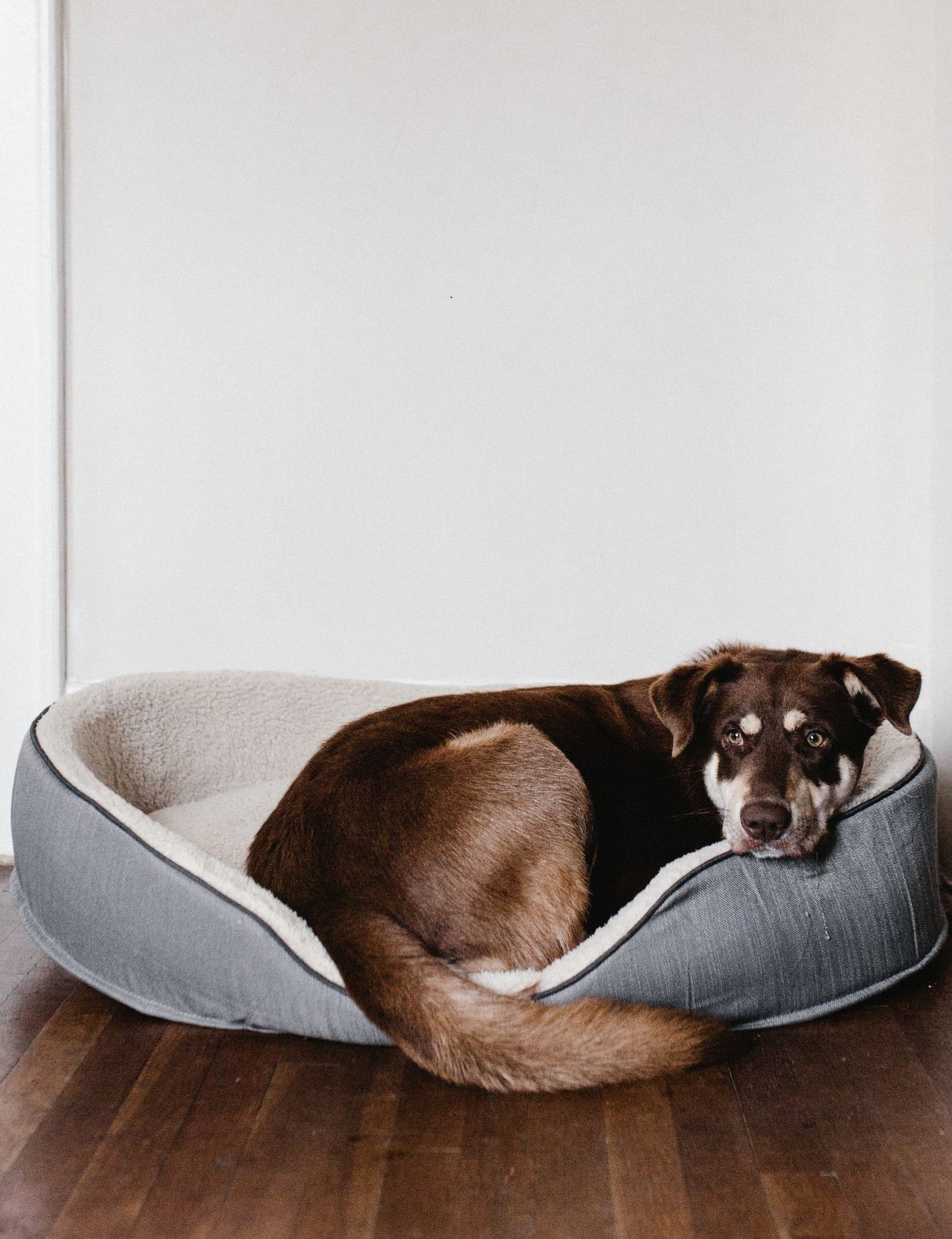
Why Crate Size Matters
The size of your dog's crate impacts three key areas: rest, potty training, and safety. A crate that's too cramped will prevent your dog from stretching out comfortably, leading to restless nights and anxiety. Conversely, a crate that's too large defeats the purpose of crate training—dogs naturally avoid soiling their sleeping area, but if the crate is oversized, they may use one corner as a bathroom while sleeping in another. For travel, an improperly sized crate poses safety risks; a dog that can move around too much during transit is more likely to injure themselves.
Finding the right balance is crucial. The crate should be just big enough for your dog to stand up without their head touching the top, turn around completely, and lie down stretched out comfortably. This gives them room to move while still maintaining the den-like feel that makes crates comforting for most dogs.
How to Measure Your Dog for a Crate
To determine the correct crate size, follow these steps. First, measure your dog's length from the tip of their nose to the base of their tail—don't include the tail itself. Next, measure their height from the floor to the top of their head while they're standing naturally. Then add 2–4 inches to both measurements to ensure they have enough room to move comfortably.
For reference, imagine a measuring tape running along your dog's body: start at their nose, extend to where their tail begins, then measure from the ground to the top of their ears or head. These measurements give you the minimum length and height your crate should have. For puppies that are still growing, consider a crate with a divider panel so you can adjust the space as they grow.
Best Crate for Toy and Small Breeds (XS, S)
For toy breeds under 12 lbs and small breeds between 12–25 lbs, XS and S crates are ideal. These crates typically measure around 19–24 inches long and 12–19 inches high. Wire mesh crates work well for small dogs as they provide excellent ventilation and visibility, helping to reduce anxiety. Soft-sided crates are another option for travel or temporary use, though they're less durable for chewers.
Breeds like the Chihuahua or small terriers thrive in these sizes. Look for crates with secure latches and easy assembly. For apartment dwellers, consider how the crate fits in your space—small crates are easier to tuck into corners or under furniture. See our guide to apartment-friendly breeds for more tips on space-saving solutions.
Best Crate for Medium Breeds (M)
Medium crates are designed for dogs between 25–50 lbs, typically measuring around 30 inches long and 21 inches high. This size range is popular for breeds like the Beagle and Corgi. A key feature to look for in medium crates is a divider panel—this allows you to adjust the internal space, making it perfect for housebreaking a puppy that will eventually grow into the full crate size.
Medium crates come in wire, plastic, and hybrid designs. Wire crates offer good airflow and visibility, while plastic crates provide a more enclosed den feel. Consider your dog's personality: anxious dogs may prefer the security of a plastic crate, while more active dogs might enjoy the openness of wire.
Best Crate for Large and Giant Breeds (L, XL, XXL)
Large and giant breeds require sturdier crates that can withstand their size and strength. For dogs 50–70 lbs, a large crate around 36 inches long works well. Giant breeds over 70 lbs need extra-large or double extra-large crates, measuring 42–48 inches long and 28–33 inches high. Look for heavy-gauge wire, reinforced corners, and double-door access for easier entry and cleaning.
Breeds like the Labrador Retriever or German Shepherd need crates built to last. Pay attention to the crate's weight—larger crates can be heavy, so consider how often you'll need to move it. Some models feature wheels or handles for easier transportation.
Travel and Airline-Approved Picks
When traveling with your dog, especially by air, it's crucial to choose an airline-approved crate. Most airlines follow IATA (International Air Transport Association) standards, which require hard-sided crates with ventilation on all four sides, secure latches, and proper labeling. For in-cabin travel, crates must fit under the seat in front of you—typically around 17–19 inches long. For cargo travel, wire crates are not allowed; you'll need a sturdy plastic crate that meets IATA requirements.
Always check with your airline before traveling, as regulations can vary. Some airlines have specific size limits for in-cabin crates, while others require health certificates or additional documentation. For road trips, soft-sided crates or seat belt harnesses may be more convenient, but ensure they provide adequate protection in case of sudden stops.
Dog Crate Size Guide
Use this table to find the right crate size based on your dog's weight and breed. Remember to measure your dog individually, as sizes can vary by breed and individual dog.
| Crate Size | Recommended Weight Range | Typical Length (inches) | Typical Height (inches) | Example Breeds |
|---|---|---|---|---|
| XS | Under 12 lbs | 19 | 12 | Chihuahua, Teacup breeds |
| S | 12–25 lbs | 24 | 19 | Dachshund, Pug, Shih Tzu |
| M | 25–40 lbs | 30 | 21 | Beagle, Corgi, French Bulldog |
| L | 40–70 lbs | 36 | 24 | Golden Retriever, Border Collie |
| XL | 70–90 lbs | 42 | 28 | German Shepherd, Labrador Retriever |
| XXL | 90+ lbs | 48 | 33 | Great Dane, Rottweiler, Mastiff |
Frequently Asked Questions
What size crate does my dog need based on weight?
As a general guideline, match your dog's weight to the crate size recommendations: toy breeds under 12 lbs need XS, small breeds 12–25 lbs need S, medium breeds 25–40 lbs need M, large breeds 40–70 lbs need L, and giant breeds 70+ lbs need XL or XXL. Always measure your dog individually and add 2–4 inches to their length and height for comfort.
Should a puppy crate be the same size as the adult crate?
It's better to get a crate that will fit your dog as an adult and use a divider panel to reduce the space for the puppy. This way, you won't need to buy multiple crates as your puppy grows. The divider allows you to adjust the internal space, ensuring the crate is always appropriately sized for your dog's current needs.
How much space should a dog have inside the crate?
A dog should have enough space to stand up without their head touching the top, turn around completely, and lie down stretched out comfortably. They should not have so much space that they can use one corner as a bathroom. If your dog seems cramped or restless, the crate is too small; if they're using part of the crate as a potty area, it's too large.
Are wire crates or plastic crates better?
Each type has its advantages. Wire crates offer excellent ventilation and visibility, making them ideal for dogs that get anxious in enclosed spaces. They're also easier to clean and fold flat for storage. Plastic crates provide a more den-like feel, which can be comforting for nervous dogs, and they're typically required for airline cargo travel. Consider your dog's personality and needs when choosing between the two.
Finding the right crate size is an important part of providing a safe and comfortable environment for your dog. By measuring carefully and considering your dog's size, breed, and lifestyle, you can select a crate that meets all their needs. Whether for training, travel, or everyday use, a well-sized crate is a valuable investment in your dog's well-being.