As a typical long-haired dog, the Afghan Hound is very prone to various skin diseases. At the same time, because it is an active hunting breed, it can also suffer from different joint and bone diseases due to heavy activity. Below is an overview of these two common health issues in the Afghan Hound.

Afghan Hound Skin Disease
The best way to prevent skin disease in an Afghan Hound is regular brushing. After daily activity, the coat should be combed to remove dust and dirt. Start at the neck, move from front to back, and work from top to bottom in layers. Lift the long coat and brush the undercoat as well. Then continue in order across the back, chest, waist, belly, hindquarters, head, limbs, and tail. One side should be finished before moving to the other. If the coat is left unbrushed for a long time, mats will form, and this may even lead to eczema, ringworm, or other skin disease.
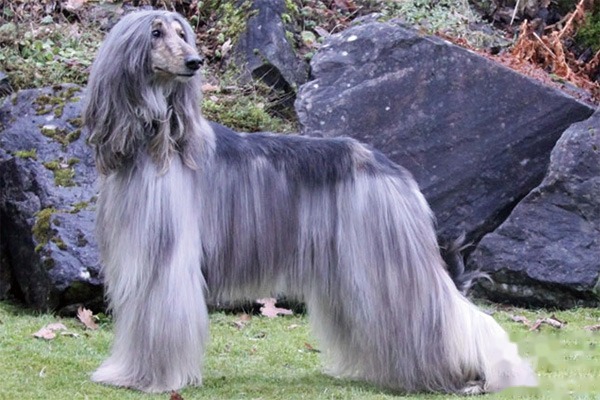
Afghan Hound Bone and Joint Disease
Degenerative joint disease is a non-inflammatory, degenerative condition that starts in the joint cartilage. It commonly affects heavy weight-bearing joints such as the hip, knee, shoulder, elbow, thoracic spinal joints, and temporomandibular joint. Afghan Hounds naturally love to run, and if their exercise level becomes excessive, they can easily develop joint problems. The main preventive response is to control the amount of exercise. If the disease has already appeared, pain relief medication may sometimes be used appropriately.
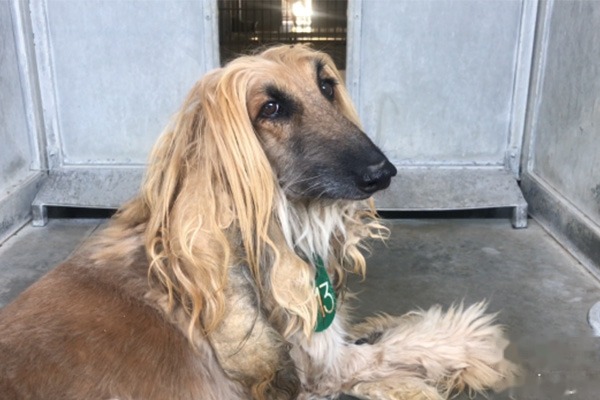
Nowadays, the vast majority of people who keep Afghan Hounds do so because of that beautiful coat. For that reason, owners should pay especially close attention to the dog's skin health. Frequent brushing, appropriate bathing, and prompt drying after bathing are all essential. These tasks take a lot of time every day, so anyone choosing this breed should be mentally prepared.