Almost no dog breed can completely avoid skin problems, and the Great Pyrenees is no exception. Common skin issues in this breed include fleas, mites, fungal infections, and eczema. Different skin diseases show different symptoms and require different treatments, so Great Pyrenees owners need to learn how to distinguish them and choose treatment according to the cause.
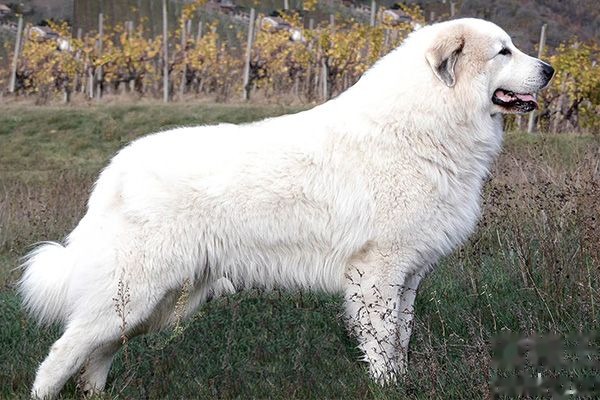
Symptoms of skin disease in the Great Pyrenees
Different causes lead to different symptoms. Fleas and lice can often be seen moving on the body surface, the inner thighs, the armpits, under the neck, or deep in the Great Pyrenees coat. If you see small black specks forming ring-like clusters on the dog, those may actually be flea droppings.
Mites are usually found under the skin. On the dog’s belly, inside the base of the thighs, or on other parts of the body, you may see small red spots. The skin around the lips may become red and hair may fall out. If the dog has ear mites, there may be coffee-colored discharge in the ears, and the dog may scratch its ear flaps so hard that it injures them.
Fungal infection may cause local hair loss and broken hair, leaving patches of reddened skin. Eczema, herpes-like eruptions, and other suppurative skin inflammations often appear as blisters or pustules on the abdomen and inner thighs. Skin disease caused by allergies usually appears more suddenly, affects a large area, and causes extensive skin redness.
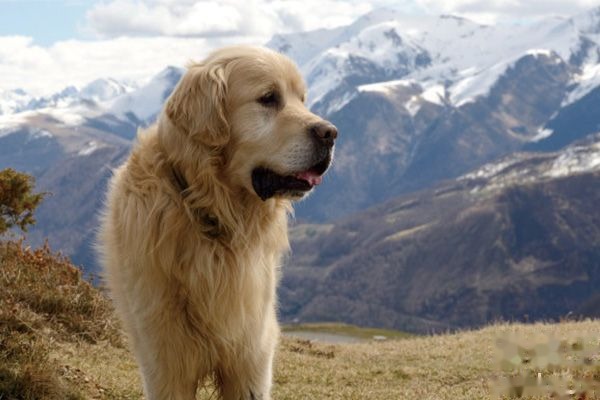
Prevention and treatment of Great Pyrenees skin disease
For suppurative or inflamed skin, the area can first be disinfected with hydrogen peroxide and then treated with an anti-inflammatory ointment such as erythromycin ointment or sulfur ointment. Topical steroid preparations should be used sparingly. If the problem is fungal, creams such as clotrimazole or other antifungal ointments may be used. If the disease is caused by mites, sulfur ointment is often applied. Fleas and lice can be treated with insecticidal washes, back-applied parasite drops, or traditional herbal washes such as stemona decoctions.
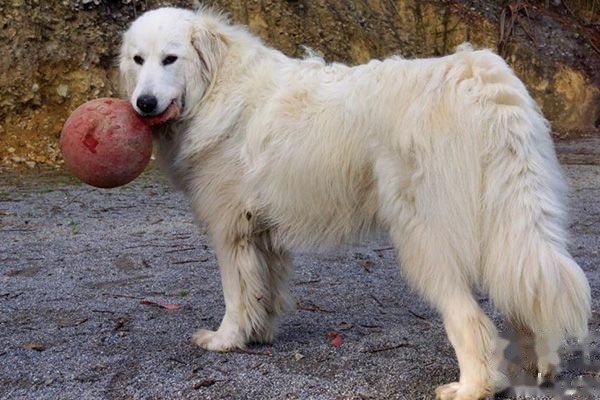
In reality, the biggest challenge in treating skin disease in a Great Pyrenees is simply the dog’s huge body size. Whether shaving the coat, applying medicine, or using medicated baths, the workload is far greater than with an ordinary dog. For that reason, the best strategy is prevention. Brush the dog every day while checking the skin for abnormalities. Avoid taking it to places with too many trees, bushes, or flowers during walks. Bathe regularly with pet-specific shampoo. These simple measures can solve or prevent many skin problems.