Feed a Pomeranian Scientifically
1. Help the dog develop a regular daily routine. Sleep and meals should be scheduled at fixed times and in fixed amounts.
2. Food should be nutritionally balanced. Do not let the dog become picky and develop nutritional imbalance, excess vitamins, or calcium deficiency.
3. Give fewer snacks. Too many treats may cause the dog to lose interest in dog food and are not very good for health. Do not let the dog eat until overly full, or it may vomit after play or vigorous exercise.
4. Never feed spoiled or expired food, as this may cause diarrhea or food poisoning.
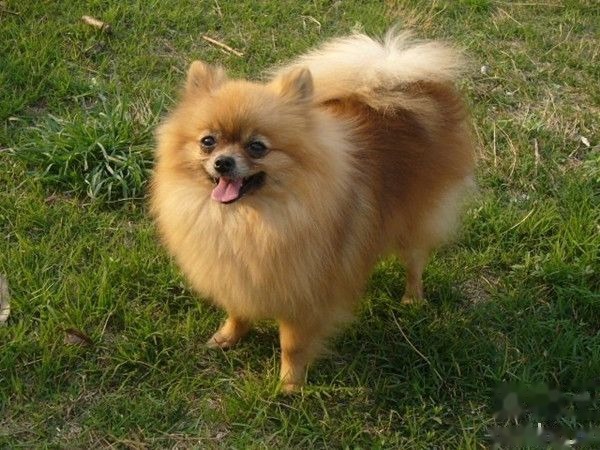
Watch the Dog's Health Status
Owners can judge part of a Pomeranian's physical condition by observing its urination and defecation.
1. The frequency of defecation changes with age. A one-month-old puppy may defecate several times a day, while at two months old the average is about three times per day. If the dog defecates too often, it may have a digestive problem.
2. You can also observe the color, smell, and whether worms or parasite segments appear in the stool to help judge whether the dog has internal parasites or other health issues. Normal feces are formed, moderately soft or firm, and usually light yellow in color, although diet can change this. A meat-heavy diet or liver may darken the stool.

Keep the Dog Warm
Pomeranian puppies are sensitive to cold, so owners should take warming measures. In winter, a warm water bottle can be prepared. Even in summer, the puppy's abdomen should not stay on the floor for too long, or it may catch a chill. After bathing, dry the coat thoroughly not only to prevent cold, but also to prevent fungal infection caused by damp fur.
Brush the Coat Often
Pomeranians have dense coats that require frequent brushing. Regular brushing helps lower the chance of skin disease. Use a comb and brush gently from the head downward. If you encounter tangles, do not pull through them by force, or you may damage the dog's skin and hair.