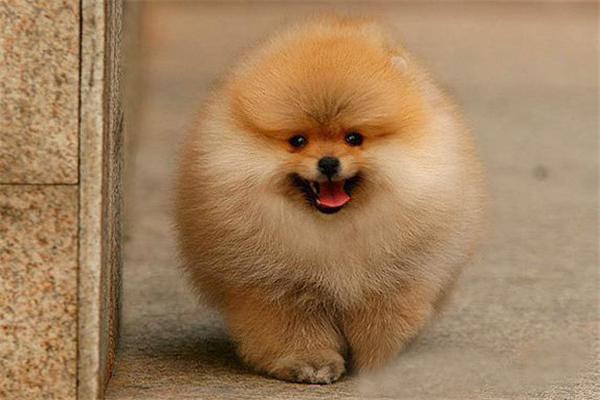
Differences Between Samoyeds, Japanese Spitzes, and Pomeranians
1. Size: White Pomeranians are the lightest and generally weigh no more than five kilograms. The Japanese Spitz is intermediate in size, while the Samoyed is the largest and belongs to the medium-to-large category.
2. Body and tail: The Japanese Spitz has a longer body than the white Pomeranian and looks more extended. Its tail curls upward in a chrysanthemum-like shape, but does not arch as far over the back. The white Pomeranian's tail is very distinctive, rising high and sometimes reaching toward the back of the head.
3. Eyes in puppies: One of the main differences between a young Spitz and a young Samoyed lies in the eyes. Samoyeds have large almond-shaped eyes, while the Japanese Spitz's eyes appear smaller in proportion to the head.
4. Muzzle: The biggest difference between a Samoyed and a Japanese Spitz is the muzzle. A Samoyed's muzzle is wider and shorter, and the flesh at the sides of the mouth is thicker and fuller.
5. Cheeks: Samoyeds have much fuller cheek hair than Japanese Spitzes.
6. Face shape: Samoyeds have a more obvious forehead stop and a larger angle between the face and bridge of the nose. In a Japanese Spitz, the stop is much less pronounced.
7. Ears: Samoyed ears are usually thicker, while Japanese Spitz ears appear thinner.
8. Coat texture: Samoyeds have a softer and fuller coat. Japanese Spitz coats feel somewhat firmer and can separate into strands more easily. They are not as smooth and soft to the touch as a Samoyed's coat.
9. Coat color: Japanese Spitz coats tend to look purer white, almost as if they had been brightened, and they reflect light more strongly. Samoyed coats tend toward creamy white and have a softer, more cotton-like feel.
10. Paws and expression: Samoyed paws resemble those of a Husky, while Japanese Spitz paws resemble those of a Pomeranian. A Samoyed is ideally judged to have a sweet expression, while the Japanese Spitz's expression is usually less distinctive.
11. Personality: Japanese Spitzes are often timid, vocal, and more likely to lose their temper. Samoyeds are generally more playful with people, smarter, more active, and also somewhat mischievous.

How to Tell a Samoyed from a Pomeranian
Below are several clear differences between Samoyeds and Pomeranians:
1. The biggest difference is still the muzzle. A Samoyed's muzzle is broader and shorter, with thicker flesh at the sides. Its cheek hair is also much fuller.
2. Samoyeds have typical almond-shaped eyes, while Pomeranian eyes are smaller and rounder.
3. The Samoyed has a more pronounced forehead stop, meaning the angle between the face and the nose bridge is larger. A Pomeranian's stop is shallower.
4. Samoyed ears are thicker, while Pomeranian ears look thinner.
5. The Samoyed coat is softer and fuller. The Pomeranian coat is relatively firmer and may feel less smooth.
6. Samoyed paws are shaped more like a Husky's, while Pomeranian paws resemble those of a Spitz.
7. Samoyeds are valued for a sweet facial expression. Pomeranians have a more neutral expression.
8. Pomeranians are often timid, loud, and quick-tempered, while Samoyeds are generally more willing to play with people, more active, and smarter, though still mischievous.
9. Their prices are often similar, but the Samoyed is a medium-sized dog whereas the Pomeranian is a small breed.